The Baseline: Every 18 to 24 Months
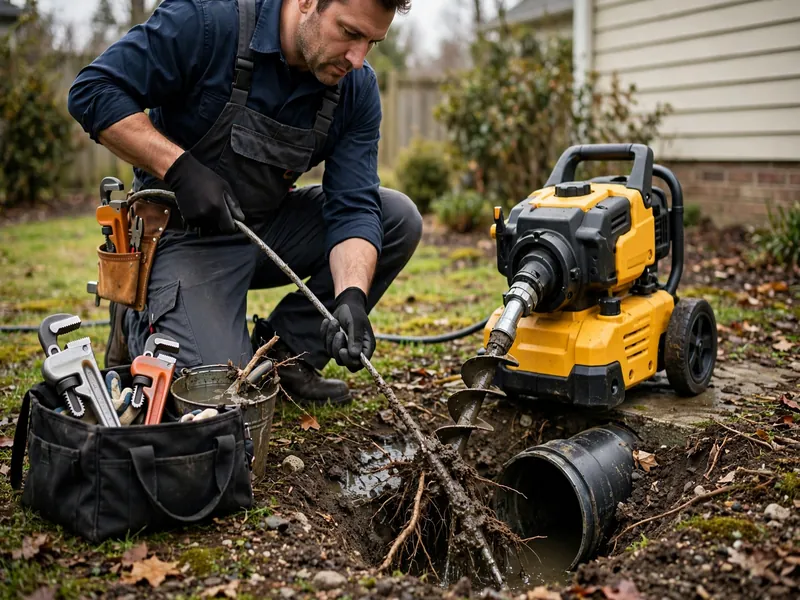
For a typical single-family home with a lateral in reasonable condition, professional cleaning every 18 to 24 months keeps buildup from reaching problem levels. That interval matches the natural accumulation rate: grease from kitchens, soap and biofilm from bathrooms, and fine root hairs from nearby trees build up gradually, and two years is roughly when the accumulation starts affecting flow in an average line.
Think of it like dental cleanings. You do not wait for a toothache to see the dentist; you go on schedule so small issues never become big ones. Sewer cleaning works the same way. A line cleaned on schedule rarely surprises you, because the technician sees its condition each visit and can warn you when something is changing.
This baseline assumes no active problems. If your drains run well, you have no history of backups, and your pipe material is modern, the 18-to-24-month rhythm is a solid preventive schedule. Adjust from there based on the factors below.
What Shortens the Interval
Pipe material is the biggest factor. Clay-tile laterals with mortar joints — standard in Perth Amboy homes built before 1970 — invite root intrusion at every joint, and roots do not respect cleaning schedules. Homes with clay tile near mature trees often need annual cleaning, sometimes twice a year during heavy growth, just to stay ahead of root regrowth.
Household habits matter too. Kitchens that cook frequently with oils and fats send more grease down the drain, and grease is the fastest-building deposit in a sewer line. Large households simply put more volume through the pipe. Garbage disposals, while convenient, add ground food waste that contributes to buildup.
History is the most honest guide. If your line has backed up before, it will back up again on roughly the same timeline unless something changed. A line that needed clearing after 14 months will likely need it again in about 14 months. Track your service dates — the pattern they form is your personalized schedule.
What Lengthens the Interval
Modern pipe buys you time. A PVC or HDPE lateral — whether from a past replacement or trenchless rehabilitation — has smooth walls, watertight joints, and no mortar for roots to exploit. Buildup still occurs, but it accumulates slower and cleans out easier. Homes with newer pipe and no trees nearby can often stretch to three years between cleanings.
Good habits extend the interval as well. Wiping grease into the trash instead of the drain, using drain strainers, and being careful about what goes through the disposal all reduce what the line must handle. These are small daily choices that compound over the years between cleanings.
A clean camera inspection also earns you time. If video shows a smooth, sound pipe with minimal deposits a year after cleaning, your interval can safely lengthen. The camera is how you verify that a longer interval is working rather than just hoping it is.
Seasonal Timing: When to Schedule
Late fall is the smartest time for most Perth Amboy homes. A cleaning before winter removes the year's accumulation of grease and roots before cold weather arrives. Winter is when you least want a sewer problem — frozen ground complicates any repair work, holiday guests stress the system, and nobody wants an emergency excavation in January.
Spring is another strong window, especially for homes with root issues. Clearing the line after the first growth surge removes the new root hairs before they thicken into a mass, and the camera shows exactly where roots are entering while the evidence is fresh.
Avoid scheduling only when problems appear. Emergency cleanings happen on the problem's schedule — nights, weekends, holidays — and they address the blockage without the unhurried assessment a scheduled visit allows. A planned cleaning includes the camera look, the full clearing, and a condition report. An emergency clearing just gets the water moving again.
Cleaning vs. Snaking: Know the Difference
A quick snaking clears a path through a blockage. Professional sewer line cleaning restores the pipe. The difference matters for scheduling: snaking is reactive, cleaning is preventive.
Full cleaning typically combines mechanical cutting with hydro jetting — high-pressure water that scours the pipe walls — followed by a camera inspection to verify the result. Jetting removes the grease glaze and scale that a snake merely pokes through, and the camera confirms the line is actually clear rather than just passable.
If your service history consists only of emergency snaking visits, you do not have a maintenance schedule — you have a recurring emergency. Switching to scheduled full cleanings usually breaks the cycle, because each visit addresses the buildup comprehensively instead of just reopening a channel through it. Ask your technician what method they use; the answer tells you whether you are buying maintenance or just relief.
Building Your Home's Cleaning Schedule
Start with an inspection and cleaning together. The camera establishes your baseline: pipe material, joint condition, root activity, and deposit levels. The cleaning resets the clock. From there, the technician can recommend an interval based on evidence rather than averages.
Track what happens next. Note the date of service and watch for the first signs of slowing drains. If symptoms return in 12 months, your interval is annual. If the line runs perfectly for two years, you have earned the longer schedule. Adjust based on reality, not the calendar alone.
Revisit the schedule after any change. A sewer repair, a lining, or a replacement resets everything — a rehabilitated line needs less frequent service than the failing one it replaced. A new tree planted near the lateral, a kitchen remodel that increases cooking, or a growing household all argue for tightening the interval. Your sewer line's needs change as your home changes; the schedule should change with them. For homes already on a maintenance rhythm, our sewer maintenance service in Perth Amboy bundles scheduled cleaning with regular camera checks so nothing slips through the cracks.