What the General Inspection Misses
A standard home inspection covers what the inspector can see: the visible plumbing, water pressure at fixtures, the water heater, drainage at sinks and tubs. Everything looks fine right up until the moment it does not, because the lateral — the 50 to 100 feet of pipe between the house and the street — is entirely underground and entirely unexamined.
This blind spot is consequential. Sewer lateral replacement is one of the most expensive repairs a homeowner faces, and it is not covered by standard homeowners insurance in most cases. Discovering a collapsed lateral two months after closing means the full cost lands on you, with no recourse to the seller.
In New Jersey real estate practice, sewer inspections are not automatically included, but they can be added as a contingency or scheduled independently during the inspection period. Given Perth Amboy's aging infrastructure, treating it as standard due diligence is simply prudent.
What the Camera Can Reveal
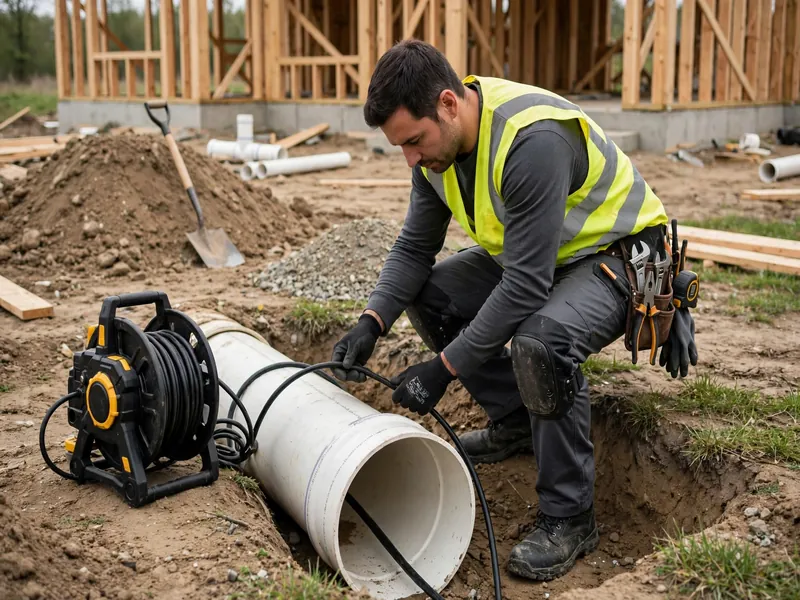
A sewer camera inspection before purchase shows the lateral's true condition: root intrusion at the joints, cracks and fractures, sections that have bellied or separated, heavy scale in cast iron, and in the worst cases, partial or full collapse. The technician can also verify the pipe material and locate the line's path — useful information for any future landscaping or construction.
Just as important as what is wrong is the baseline it creates. A line with minor root intrusion and otherwise sound pipe is a maintenance item, not a dealbreaker — but you want to know about it before you own it, so you can plan and negotiate accordingly.
The inspection should include video you can keep. Ask for the recording and a written summary. This documentation becomes part of your negotiation package and, if you buy the home, your maintenance baseline for years to come.
Red Flags in an Older Perth Amboy Home
Certain findings should give a buyer pause. Orangeburg pipe — a tar-paper composite used from the 1940s to the 1970s — deforms and collapses with age and is essentially always a replacement candidate. Extensive root intrusion throughout a clay tile line suggests the joints are failing comprehensively, not just at one spot. Multiple bellies or offsets indicate ground movement that will continue.
Also watch for signs the seller knows something: recent patches of fresh sod or disturbed soil along the line's path, a brand-new cleanout on an old house, or disclosures mentioning past backups. None of these are disqualifying, but they are reasons to look harder.
Age alone is not a red flag — a well-maintained cast-iron line can outlast expectations — but age plus symptoms is. Slow drains noted in the general inspection, sewage odors in the basement, or a history of backups are all reasons to make the camera inspection non-negotiable.
Using Findings in Your Negotiation
Sewer findings give buyers real leverage because the numbers are real. If the camera reveals a line that needs sewer line replacement, you have documentation of a major defect the seller did not disclose — grounds for a price reduction, a seller credit, or requiring the repair before closing.
For moderate findings — root intrusion that needs cleaning, a section that should be lined within a few years — the negotiation is softer but still meaningful. A credit covering the cleaning and a near-term lining gives you a known-good line from day one.
Even clean results have value: they remove a major unknown from the purchase and give you a baseline for future maintenance. In a competitive market, some buyers waive the sewer inspection to strengthen their offer. Understand what that waiver is worth — you are accepting an unpriced risk on the home's most expensive hidden system.
How to Schedule It During the Buying Process
Arrange the sewer inspection during your general inspection period so findings can feed into negotiations. The sewer technician needs access to a cleanout or a pulled toilet — coordinate with the listing agent through your buyer's agent, just as you would for the general inspector.
If the home has no accessible cleanout, the technician can usually pull a toilet for camera access, but confirm this in advance with the seller's permission. Some buyers make cleanout access a small negotiating point itself — having one installed benefits the seller's sale and your future maintenance.
One practical note: schedule early in the inspection window, not at the end. If the camera finds problems, you may want a second opinion or a repair quote before the contingency deadline. Rushing that process under deadline pressure is how buyers end up accepting bad outcomes.